

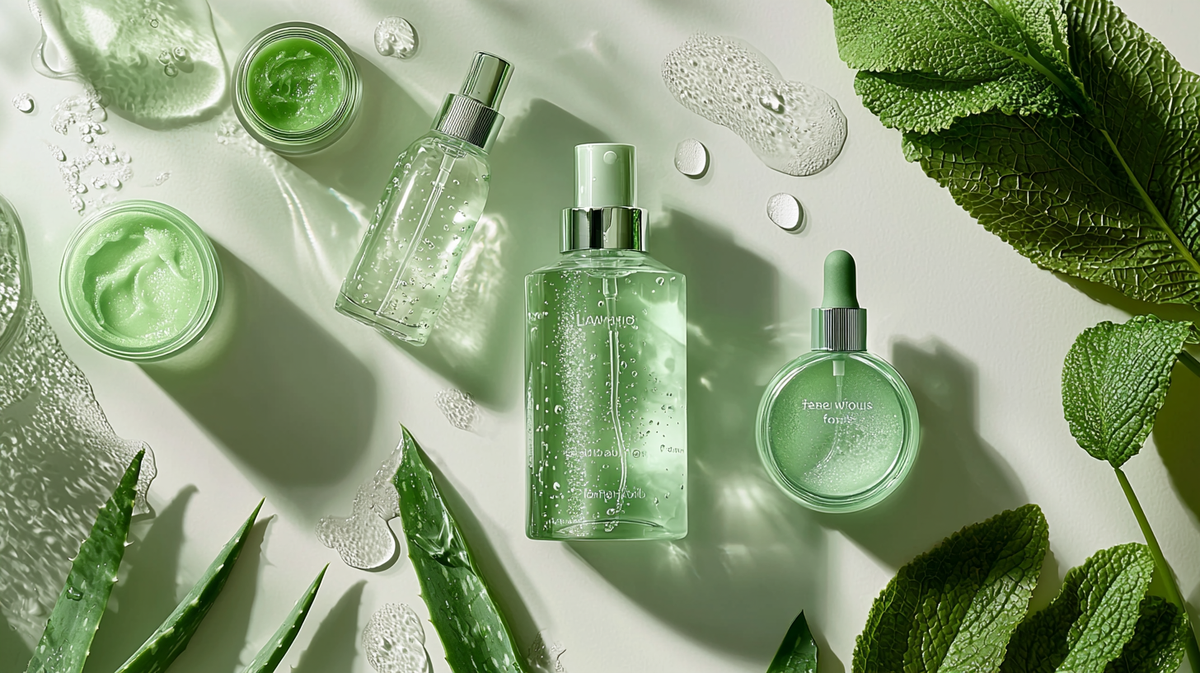
Why Hydration Matters for Your Skin
If your skin ever feels tight, appears dull, or shows more visible fine lines, dehydration might be the culprit. Proper hydration isn't just about comfort — it's the cornerstone of healthy, youthful-looking skin. Adequate hydration maintains your skin's elasticity, supports barrier function, protects against environmental damage, and ensures a vibrant, healthy glow.
Hydration keeps your skin balanced, reduces the look of ageing, and provides a protective barrier against pollution and external stressors. Without sufficient moisture, the skin becomes more vulnerable, making it easier for irritation and premature ageing to occur.
Let's delve deeper into why hydration is critical, how dehydrated skin differs from dry skin, and how you can effectively maintain well-hydrated skin throughout the day.
Dehydrated Skin vs Dry Skin: What's the Difference?
These two terms get used interchangeably, but they describe different things — and they need different solutions. Dry skin is a skin type (it lacks oil, or lipids). Dehydrated skin is a temporary condition (it lacks water). You can have oily, dehydrated skin — which is why a heavy cream sometimes makes things worse rather than better.
| Dry skin | Dehydrated skin | |
|---|---|---|
| What it is | A skin type you're generally born with | A temporary condition anyone can develop |
| What's missing | Oil / lipids | Water |
| How it looks | Flaky, rough, may feel rough all over | Dull, tight, fine lines look more etched |
| Oil production | Low | Can be normal or even high |
| What helps | Richer emollients and oils | Humectants such as hyaluronic acid, then a barrier layer to seal them in |
A quick check: press your cheek gently. If fine lines crinkle rather than stay smooth, that usually points to dehydration rather than dryness. Dehydrated skin responds to water-binding ingredients; dry skin responds to oils. Most people benefit from both.
Signs Your Skin is Dehydrated
Dehydration can affect every skin type, including oily or combination skin. Here are common signs to watch for:
- Tightness, particularly after cleansing or showering
- Fine lines becoming more noticeable, especially around the eyes
- Skin appearing dull, lacklustre, or rough
- Increased sensitivity, redness, or irritation
- Occasional flaking or dry patches
Understanding these signs helps you take timely action to restore your skin's hydration levels.
Hydrating Ingredients to Look For
A truly effective hydrating skincare routine features ingredients known for their moisture-boosting properties:
Hyaluronic Acid:
A humectant that binds water in the upper layers of the skin. It visibly plumps skin, softens the look of fine lines, and restores softness.
Ceramides:
These essential skin lipids help rebuild and reinforce your natural skin barrier, sealing moisture in and preventing hydration loss.
Aloe Vera:
This naturally hydrating and soothing ingredient calms irritation, reduces the look of redness, and provides gentle hydration, ideal for all skin types, especially sensitive skin.
Glycerin and Sodium PCA:
Mild humectants that attract and retain moisture, providing both immediate and long-lasting hydration to keep skin comfortably moisturised throughout the day.
Algae and Ferment Extracts:
Rich in minerals and antioxidants, they support the skin's natural moisture retention and help skin feel more resilient.
Why Hyaluronic Acid Molecular Weight Matters
Not all hyaluronic acid behaves the same way, and the difference comes down to molecular weight — essentially, the size of the molecule.
- High molecular weight hyaluronic acid stays on the surface. It forms a light, water-holding film that smooths and plumps the look of skin immediately, and helps reduce water loss through the day.
- Low molecular weight hyaluronic acid (including hydrolysed forms) is small enough to settle into the upper layers of the skin, where it supports hydration that feels less superficial and lasts beyond the first hour.
This is why a well-built serum uses more than one form. Our Hydrating Serum pairs hydrolysed hyaluronic acid with sodium hyaluronate so hydration is delivered at multiple levels rather than sitting on top — alongside organic aloe vera juice and rose flower water, jojoba oil and betaine, cloudberry and peony root extracts, Alteromonas ferment extract, bisabolol and vitamin E.
One practical note: humectants draw water from wherever they can find it. In a very dry room, hyaluronic acid applied to bone-dry skin with nothing sealed over the top can leave skin feeling tighter, not softer. The fix is simple, and it's in the next section.
How to Use a Hyaluronic Acid Serum Correctly
Most of the disappointment people have with hyaluronic acid comes down to application, not the ingredient. Four rules cover nearly all of it:
- Apply to damp skin. Straight after cleansing or toning, while your face is still slightly moist, is the right moment. The serum then has water available to bind.
- Press, don't rub. Use 1–2 pumps and press gently into the face and neck. Dragging a lightweight serum around mostly evaporates it.
- Always seal it. Follow with a moisturiser or facial oil within a minute or two. A humectant without an occlusive layer over it is half a routine.
- Use it twice daily. Hydration is a maintenance habit, not a one-off rescue. Morning and evening gives you the compounding effect.
If your climate is very dry or you use air conditioning heavily, consider adding a humidifier — it makes every humectant in your routine work better.
The Ideal Hydration-Boosting Routine
Follow this comprehensive, yet simple routine to restore and maintain optimum hydration:
-
Gentle Cleanse:
Start with our Sensitive Skin Oil-To-Milk Cleanser, specifically formulated to gently remove impurities and makeup without stripping essential moisture. -
Hydrating Toner:
Prep your skin using our calming Hydrating Toner, enriched with floral waters, hyaluronic acid, and gentle botanicals to rebalance and hydrate instantly. -
Hydration Serum:
Apply our Hydrating Serum to slightly damp skin — a silky, fast-absorbing concentrate with hydrolysed hyaluronic acid, sodium hyaluronate and organic aloe vera juice. If you prefer a gel texture, the Double Hydration Boost Gel delivers dual molecular-weight hyaluronic acid in a lighter, bouncier finish. -
Barrier Protection:
Finish your routine with a protective layer using our Ceramide Hydrating Night Cream in the evening or Sensitive Skin Moisturiser during the day. These formulations fortify your skin's barrier, sealing in hydration and preventing moisture loss.
How to Layer Serums Without Overloading Your Skin
If you use more than one serum, the order matters more than the number of products. The general principle is thinnest to thickest, water-based before oil-based.
- Morning: cleanser → toner → water-based hydrating serum → antioxidant serum (such as vitamin C) → moisturiser → sunscreen.
- Evening: cleanser → toner → treatment or active (exfoliating acid, retinol alternative) → hydrating serum → moisturiser or facial oil.
Two practical guardrails. First, give each layer 30–60 seconds to settle rather than stacking everything at once. Second, don't introduce several new actives in the same week — if your skin reacts, you won't know which product caused it. A hydrating serum is one of the few steps that layers comfortably with almost anything, which makes it a useful buffer between a strong active and your moisturiser.
Quick Tips to Keep Skin Hydrated
- Stay hydrated internally by drinking adequate water daily.
- Avoid prolonged exposure to hot showers or baths, which can strip skin of natural oils.
- Incorporate omega-rich foods like salmon, flaxseed, and walnuts into your diet.
- Use a humidifier during colder months or in dry climates to add moisture to your environment.
- Exfoliate gently once or twice weekly to remove dead skin cells and enhance absorption of your hydrating skincare products.
- Use sunscreen daily to protect against moisture loss caused by UV exposure.
Final Thoughts
Hydration is essential for maintaining radiant, comfortable, resilient skin. Once you can tell dehydration from dryness, the rest of the routine follows naturally: bind water with humectants, seal it in with a barrier layer, and repeat it consistently rather than perfectly.
If persistent tightness, flaking or irritation doesn't improve with a gentle hydrating routine, it is worth speaking to a pharmacist, dermatologist or other qualified professional — skin that stays uncomfortable can have causes a skincare routine alone won't address.
Share:
What Is Bakuchiol? The Natural Retinol Alternative Your Skin Will Love
How to Build a Skincare Routine for Sensitive Skin