

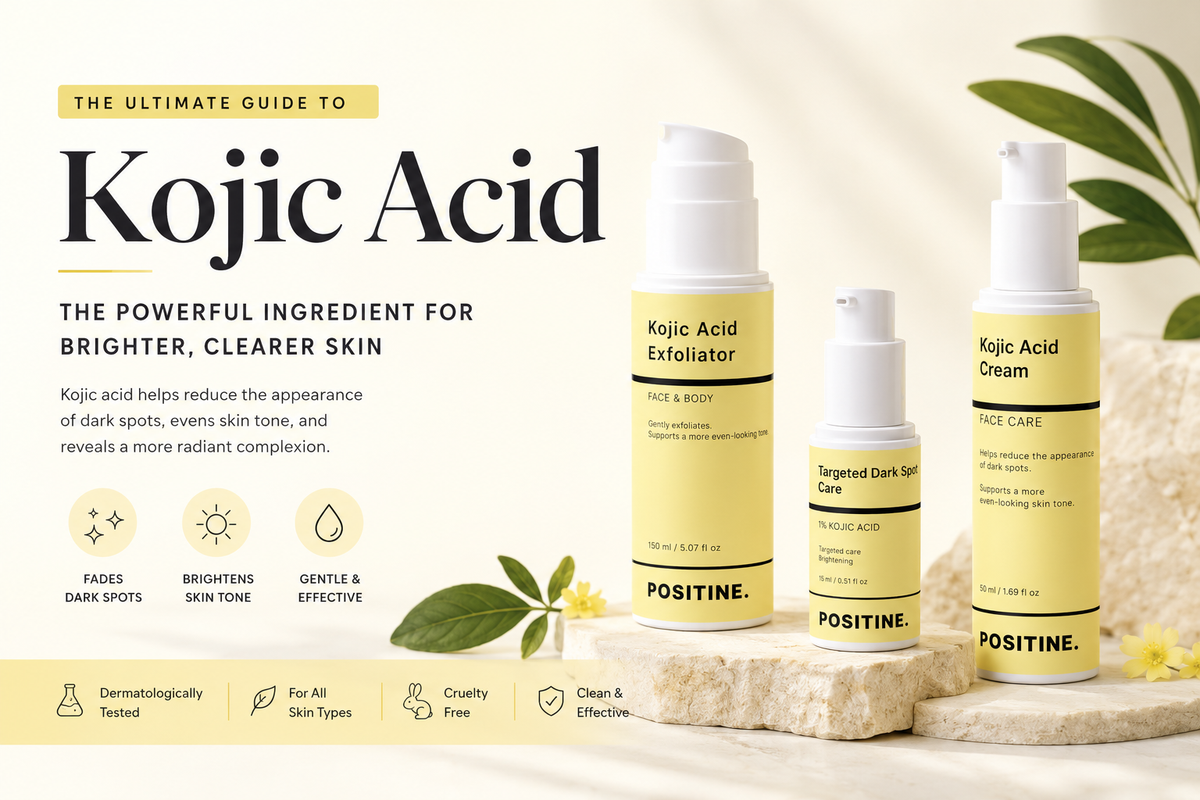
Kui oled uurinud, kuidas pigmendilaike heledamaks muuta, oled tõenäoliselt kohanud kojihapet. Seda leidub seerumites, kreemides, seepides ja igasugustes „särama panevates“ toodetes — kuid selgitused on sageli ähmased ja kontsentratsioonid tihti varjatud. See juhend selgitab, mis kojihape tegelikult on, kuidas see toimib, kellele see sobib ja millised tulemused on realistlikud.
Mis on kojihape?
Kojihape on looduslikult esinev ühend, mida toodavad teatud seened — see on fermentatsiooni kõrvalsaadus, mis avastati esmakordselt riisist sake valmistamise protsessis. Nahahoolduses kasutatakse seda heledust andva toimeainena: koostisosana, mis aitab vähendada pigmendilaikude, ebaühtlase jume ja hüperpigmentatsiooni nähtavust.
See ei ole koorija ega päikesekaitse. See kuulub kindlasse toimeainete kategooriasse — türosinaasi inhibiitorite hulka — ja just see on võti selle toime mõistmiseks.
Kuidas kojihape toimib
Naha pigmentatsioon tuleneb melaniinist — pigmendist, mida toodavad spetsialiseerunud rakud, melanotsüüdid. Melaniini tootmine sõltub ensüümist nimega türosinaas. Kui türosinaasi aktiivsus suureneb — päikese, põletiku või hormonaalsete muutuste mõjul — toodavad melanotsüüdid rohkem pigmenti ja see liigne pigment ilmub nahale tumedate laikudena.
Kojihape toimib türosinaasi tööd häirides. Selle ensüümi aktiivsust pärssides aeglustab see melaniini ületootmist otse allikas. See on oluline erinevus: paljud „särama panevana“ turundatud tooted lihtsalt koorivad pinda või varjavad ebaühtlast jumet visuaalselt. Kojihape mõjutab sammu, mis pigmendi üldse tekitab.
Just see mehhanism selgitab, miks sellel on pikk ajalugu dermatoloogilise koostisosana selliste murede puhul nagu melasma ja aknejärgsed jäljed.
Kellele kojihape sobib
Kojihape sobib üldiselt:
- Põletikujärgse hüperpigmentatsiooni korral — jäljed, mis jäävad maha aknest, vistrikest või väikestest nahakahjustustest.
- Päikesest tingitud pigmendilaikude ja ebaühtlase jume korral — pigment, mis on kogunenud kumulatiivse UV-kiirguse tagajärjel.
- Melasma korral — suuremad, sageli hormonaalselt mõjutatud pigmendialad. Kojihape on üks toimeaineid, mida selle ohjamiseks sageli kasutatakse, kuigi melasma on krooniline seisund (sellest allpool lähemalt).
Seda peetakse ka hästi talutavaks kõigi nahatoonide puhul, mida ei saa öelda iga heledust andva lähenemise kohta. Nagu iga uue toimeaine puhul, on enne esimest kasutamist mõistlik teha väikesel nahapiirkonnal tundlikkustest — eriti kui su nahk on varem heledust andvatele toodetele reageerinud.
Miks kontsentratsioon loeb — ja ELi 1% piirmäär
Siin on osa, mille enamik tootelehti välja jätab: kojihape toimib ainult siis, kui seda on piisavalt.
Euroopa Liidus on kosmeetikatoodete koostisosad reguleeritud ja kojihappe maksimaalne lubatud kontsentratsioon nahale jäetavates näotoodetes on 1%, tuginedes ELi tarbijaohutuse teaduskomitee (SCCS) ohutushinnangule. See 1% on lagi — tugevamat näotoodet ei tohi ELis seaduslikult müüa.
Paljud poetooted jäävad sellest laest tublisti allapoole või toetuvad nõrgematele ja odavamatele heledust andvatele koostisosadele, kasutades sildil siiski sõna „kojic“. Toodete võrdlemisel on kontsentratsioon see number, mis loeb. Täieliku 1%-ga formuleeritud toode teeb nii palju, kui kojihappega toode seaduslikult teha saab.
Seerum, kreem või seep: milline kojihappe vorm toimib kõige paremini?
Kojihapet leidub mitmes formaadis ja nende erinevus loeb rohkem, kui turundus arvata laseb:
- Seerumid — nahale jäävad (leave-on) tooted kõige pikema kontaktajaga, mistõttu on need kõige otsesem viis viia toimeaine visadesse kohtadesse, nagu akne järgsed jäljed ja vanuslaigud. Sihipärane valik, nagu meie 1% kojihappega seerum, on formuleeritud ELis lubatud maksimumil.
- Kreemid — ühendavad toimeaine igapäevase niisutusega, mistõttu on neid kõige lihtsam järjepidevalt kasutada. Meie kojihappega näokreem ühendab selle C- ja E-vitamiiniga.
- Seebid ja puhastustooted — kojihappeseep on ülipopulaarne, kuid mahaloputatava formaadina püsib toimeaine nahal vaid sekundeid, enne kui see maha pestakse. Loputatav samm võib rutiini toetada; põhitöö teevad nahale jäävad sammud. Kui eelistad mahapestavat lähenemist, siis kooriv formaat, nagu meie kojihappega näo- ja kehakoorija, annab lisakasuna surnud pinnarakkude eemaldamise, et pigment tuhmuks ühtlasemalt.
Kojihape võrdluses teiste heledust andvate toimeainetega
Kojihape on üks mitmest toimeainest, mida kasutatakse naha heledamaks muutmiseks ja ebaühtlase jume ühtlustamiseks. Nii asetub see kahe kõrvale, millega seda kõige sagedamini võrreldakse:
| Toimeaine | Kuidas see toimib | Sobib kõige paremini |
|---|---|---|
| Kojihape | Pärsib türosinaasi, pidurdades liigse melaniini tootmist selle allikas | Pigmendilaigud, akne järgsed jäljed, vanuslaigud, melasma |
| Alfa-arbutiin | Toimib samuti türosinaasile, vabaneb järk-järgult — aeglasem ja õrnem tee | Tundlik nahk, mis alles harjub heledust andvate toimeainetega |
| C-vitamiin | Antioksüdant, mis toetab heledamat ja ühtlasemat jumet ning kaitseb vabade radikaalide kahjustuste eest | Üldine tuhmus ja jume; hommikurutiinid koos SPF-iga |
Koorivad happed, nagu glükoolhape, toimivad jälle teisiti — need kiirendavad juba pigmenteerunud pinnarakkude eemaldumist, selle asemel et pidurdada pigmendi tootmist. Seepärast võivad õrn koorija ja türosinaasi pärssija üksteist ühes hooldusrutiinis täiendada, kui uusi toimeaineid võetakse kasutusele ükshaaval.
Kuidas kojihapet kasutada
Kojihape on leebem kui tugevamad toimeained nagu retinoidid või AHA-koorijad, kuid ka see premeerib järjepidevat ja kannatlikku lähenemist, mitte agressiivset.
Mõned põhimõtted:
- Võta see kasutusele eraldi. Kui alustad kojihappe rutiini, anna sellele paar nädalat, enne kui lisad teisi uusi toimeaineid. Nii tead reaktsiooni korral, mis selle põhjustas.
- Ole järjepidev. Pigmentatsiooni uuenemistsükkel on aeglane. Muutuse toob igapäevane kasutamine nädalate jooksul — mitte ühe korra intensiivsus.
- SPF ei ole valikuline. See on kõige olulisem harjumus üldse. Päike on üks peamisi pigmentatsiooni põhjustajaid, seega kojihappe kasutamine ilma igapäevase laia spektriga SPF-ita on nagu ämbri tühjendamine, samal ajal kui kraan jookseb. Iga usaldusväärne pigmendirutiin lõpeb päikesekaitsega.
Millised tulemused on realistlikud
Pigmentatsioon ei kao üleöö ja ükski toode, mis seda lubab, ei ole aus. Järjepideva kasutamise korral näeb enamik inimesi nähtavat muutust 8 kuni 12 nädala jooksul. Sügavamad ja vanemad laigud vajavad rohkem aega kui hiljutised pindmised jäljed.
Abiks on ka mõelda kahes faasis:
- Ravifaas — esimesed 8–12 nädalat igapäevast kasutamist, et olemasolevat pigmentatsiooni vähendada.
- Säilitusfaas — seejärel kergem rütm, paar korda nädalas, et tulemusi hoida ja uuele pigmendile ette jõuda.
Kas saad lõpuks päris lõpetada, sõltub põhjusest. Akne- ja põletikujärgsed jäljed kaovad sageli püsivalt, kui need on ravitud. Päikesest tingitud laigud kipuvad uue UV-kiirgusega tagasi tulema, seega hoiab neid kõige paremini kontrolli all säilituskasutus ja igapäevane SPF. Melasma on krooniline ja hormoonidest mõjutatud — seda ohjatakse pikaajaliselt, mitte ei ravita terveks. Enamiku jaoks on realistlik muster sama: kõigepealt ravi, siis säilita.
Ohutus ja kes peaks olema ettevaatlik
ELi kosmeetikas lubatud kontsentratsioonides peetakse kojihapet üldiseks kasutamiseks ohutuks. Kaks märkust, mida meeles pidada:
- Tundlikkus: mõned inimesed kogevad kerget ärritust, eriti alustades. Tundlikkustest ja järkjärguline alustamine vähendavad seda riski.
- Rasedus ja imetamine: kojihapet ei ole raseduse ajal põhjalikult uuritud. Paljud dermatoloogid suhtuvad sellesse madalates kosmeetilistes kontsentratsioonides ettevaatlikult, kuid mitte keelavalt — kui oled rase või imetad, pea enne uue toimeaine kasutuselevõttu nõu oma arstiga.
Lühidalt
Kojihape on end tõestanud heledust andev toimeaine, mis aeglustab melaniini tootmist ensüümi tasandil, selle asemel et tegeleda ainult pinnaga. See sobib aknejärgsete jälgede, päikeselaikude ja melasma puhul; see toimib kõige paremini ELis lubatud 1% maksimumi juures; ja tulemused tulevad nädalate, mitte päevadega — kusjuures igapäevane SPF teeb sama palju tööd kui toimeaine ise.
Kui soovid rutiini, mis on üles ehitatud kojihappele selle 1% lae juures, ühendab meie pigmendilaikude rutiin sihipärase seerumi, igapäevase kreemi ja koorija üheks lihtsaks süsteemiks.
Korduma kippuvad küsimused
Kui kaua võtab kojihappe toime aega?
Enamik inimesi näeb järjepideva igapäevase kasutamise korral nähtavat muutust 8 kuni 12 nädala jooksul. Hiljutised pindmised jäljed kaovad kiiremini kui sügavam ja vanem pigmentatsioon. Igapäevane SPF on kogu aja vältel hädavajalik — ilma selleta töötab uus päikesekiirgus tulemuste vastu.
Kas kojihape on ohutu?
ELi kosmeetikas lubatud kontsentratsioonides — maksimaalselt 1% nahale jäetavates näotoodetes — peetakse kojihapet üldiseks kasutamiseks ohutuks. Mõned inimesed kogevad alguses kerget ärritust, seega on tundlikkustest mõistlik teha. Kui oled rase või imetad, pea kõigepealt nõu oma arstiga, sest raseduse ajal ei ole seda põhjalikult uuritud.
Mida kojihape nahaga teeb?
Lühidalt: see pidurdab liigse pigmendi tootmist. Türosinaasi ensüümi pärssides aitab kojihape muuta heledamaks pigmendilaike, vanuslaike, akne järgseid jälgi ja üldist ebaühtlast jumet, tuues järk-järgult esile säravama ja ühtlasema naha. See ei koori nahka, ei muuda seda õhemaks ega muuda su loomulikku nahatooni.
Kas kojihape võib nahka tumedamaks muuta?
Kojihape ise nahka ei tumenda — see vähendab liigset pigmenti. Kui tumenemist siiski märgatakse, on põhjus enamasti kaudne: liigsest kasutamisest ärritunud nahk võib reageerida põletikujärgse pigmentatsiooniga, eriti tumedama või väga tundliku naha puhul, ning kaitseta päikese käes tumenevad olemasolevad laigud kiiremini, kui ükski toimeaine neid heledamaks muuta jõuab. Väikesel nahaalal testimine, järkjärguline alustamine ja igapäevane SPF ennetavad mõlemat.
Kas kojihapet võib kasutada iga päev?
Jah. Kojihape on leebem kui tugevamad toimeained nagu retinoidid või AHA-koorijad, ja igapäevane kasutamine esialgses ravifaasis ongi see, mis tulemusi toob. Pärast esimest 8–12 nädalat lähevad paljud üle kergemale säilitusrütmile paar korda nädalas.
Kojihape või C-vitamiin — kumb on parem?
Neil on erinevad ülesanded. Kojihape pärsib otse türosinaasi — ensüümi, mis on melaniini tootmise taga. C-vitamiin on antioksüdant, mis toetab heledamat ja ühtlasemat jumet teistsuguse mehhanismi kaudu. Need ei asenda teineteist ja võivad üksteist täiendada — kuid võta korraga kasutusele üks toimeaine, et näha, kuidas su nahk reageerib.
Kas kojihape muudab naha püsivalt heledamaks?
Kojihape vähendab liigset pigmenti ega muuda püsivalt sinu loomulikku nahatooni. Kas tulemused püsivad, sõltub põhjusest: aknejärgsed jäljed jäävad pärast ravi sageli püsivalt kadunuks, päikesest tingitud laigud kipuvad ilma säilituskasutuseta uue UV-kiirgusega tagasi tulema ja melasma on krooniline seisund, mida ohjatakse pikaajaliselt. Tulemusi kaitseb igapäevane SPF.
Jaga:
Puhta ilu teadus: kuidas valida 2026. aastal parim puhas niisutav näokreem
C-vitamiini seerum: kuidas seda õigesti kasutada?